
How to Care for and Protect Your New Wood Fence
A wood fence is one of the most rewarding investments you can make for your home, adding beauty, privacy, and real curb appeal. But once the last post is set and the final board is fastened, many homeowners are left wondering what comes next. At DFW Fence Pro, we’ve spent years helping homeowners not just build stunning fences, but keep them looking great for the long haul. The truth is, a little consistent care goes a long way toward protecting your investment and avoiding costly repairs down the road.
Wood is a natural material, which is part of what makes it so visually appealing. It’s also what makes it vulnerable. Moisture, sunlight, insects, and seasonal temperature changes can all take a toll over time. The good news is that with the right maintenance routine, your fence can stay strong and attractive for 20 years or more. Here’s what you need to know.
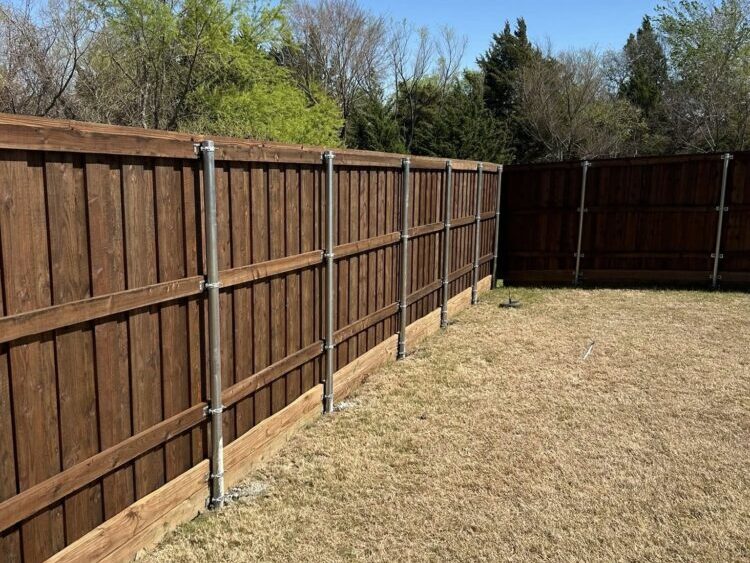
Give It Time Before You Seal
If your fence was recently installed with freshly milled lumber, patience is actually your first maintenance step. New wood contains moisture and natural oils that need time to release before a sealant or stain can properly penetrate the surface. Most wood fences benefit from waiting 6 to 8 weeks after installation before applying any finish. Rushing this step can trap moisture inside the wood, which may actually accelerate warping or cracking rather than prevent it.
How to Know When Your Fence Is Ready
A simple splash test tells you everything. Sprinkle a little water on the surface of a board. If the water beads up and rolls off, the wood is still too saturated to accept a finish. If the water absorbs into the wood within a few seconds, your fence is ready for sealing or staining.
Cleaning Your Fence the Right Way
Before applying any protective finish, your fence needs to be clean. Dirt, mildew, and weathered gray oxidation can prevent sealants from bonding properly to the wood. A gentle wash with a wood-safe cleaner or a diluted solution of oxygen bleach and water works well for most situations. Apply it with a brush or a low-pressure sprayer, let it sit for a few minutes, then rinse thoroughly.
Sealing and Staining for Long-Term Protection
Once your fence is clean and dry, applying a quality wood sealant or penetrating stain is the single most impactful thing you can do to extend its life. A good sealant creates a barrier against moisture, UV rays, and mildew growth. A penetrating stain does the same while also adding color that enhances the natural beauty of the wood.
How Often Should You Reseal?
Plan to reseal your fence every one to three years, depending on your local climate and how much sun and rain the fence receives. A fence on the south or west side of your property tends to take more UV exposure and may need attention more frequently. The telltale sign that it’s time to reseal is when water no longer beads on the surface and the wood starts to look dry or gray.
Routine Inspection Keeps Small Problems Small
Once or twice a year, take a slow walk along your fence line and look closely at what’s happening. Check for boards that are cracking, splitting, or pulling away from the rails. Look at the base of each post where it meets the ground, as this is the most common starting point for rot. Press on the wood with a screwdriver tip. If it sinks in easily, you’re looking at rot that needs to be addressed before it spreads.
Catching these issues early, whether it’s a loose nail, a single rotting board, or a post showing early signs of moisture damage, almost always means a simple fix rather than a major repair.
A Few Habits That Make a Big Difference
Keeping soil, mulch, and vegetation from pressing directly against the base of your fence can dramatically slow moisture damage. Trim back any plants or shrubs that are growing against the boards, and consider pulling mulch back a few inches from the fence line. Good airflow around the bottom of your fence is one of the simplest and most effective things you can do.
Also, if you have a sprinkler system, do your best to keep the spray directed away from your fence. Repeated wetting and drying cycles from irrigation are one of the fastest ways to shorten a wood fence’s lifespan.
Your Fence Is Worth Protecting
A well-maintained wood fence doesn’t just look better, it holds its structural integrity, resists damage, and stays a true asset to your property for decades. The steps outlined here are manageable for any homeowner and require no special expertise, just a little consistency and attention. If you ever have questions about your fence’s condition or you need a professional repair, the team at DFW Fence Pro is always here to help. We stand behind every fence we build and we’re committed to supporting you long after installation day. Contact us today to get started!